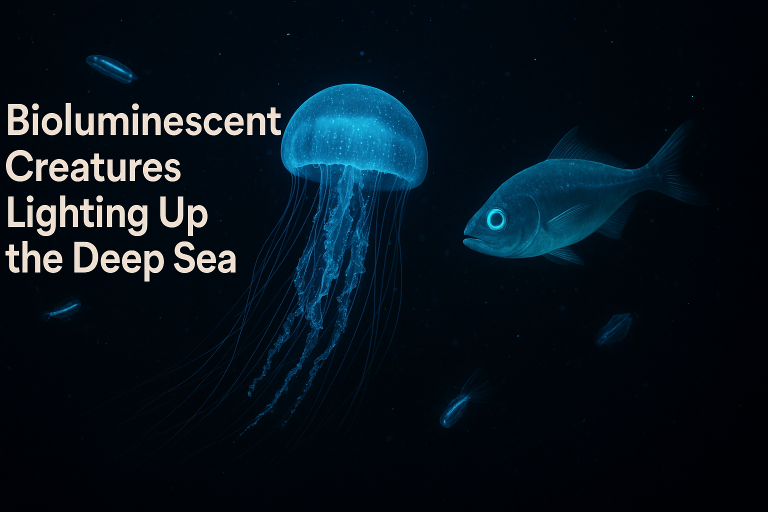
The deep sea is Earth’s final frontier—a vast, lightless world where creatures create their own glow. Over 90% of deep-sea marine life produces bioluminescence, using chemical...
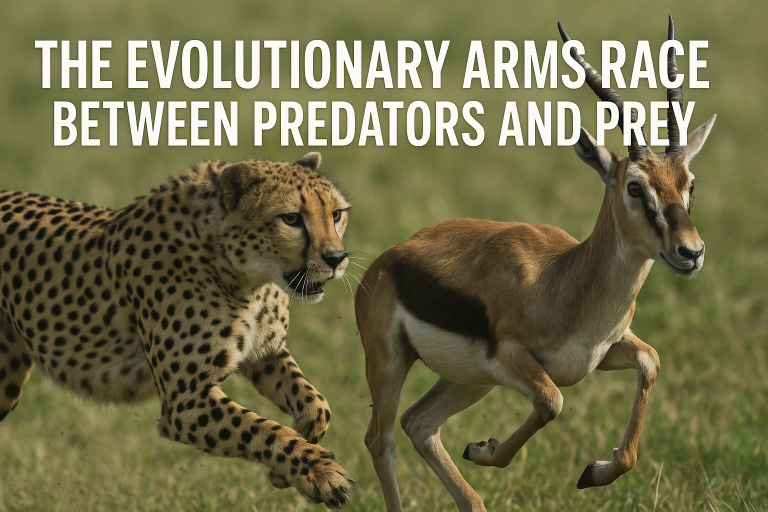
In the wild, survival is a constant game of one-upmanship. Predators evolve sharper claws; prey develop swifter legs. Venom becomes deadlier, while immunity grows...
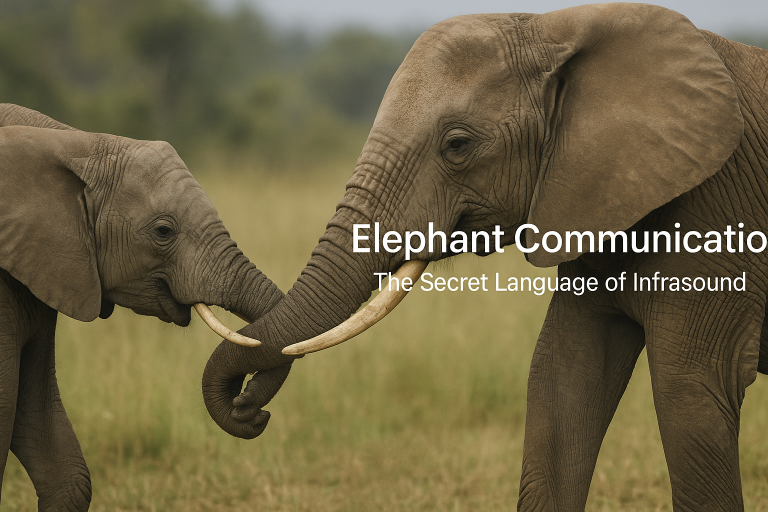
Elephants are Earth’s most communicative land mammals, capable of producing sounds so deep that humans can’t hear them. These low-frequency rumbles, known as infrasound, travel...
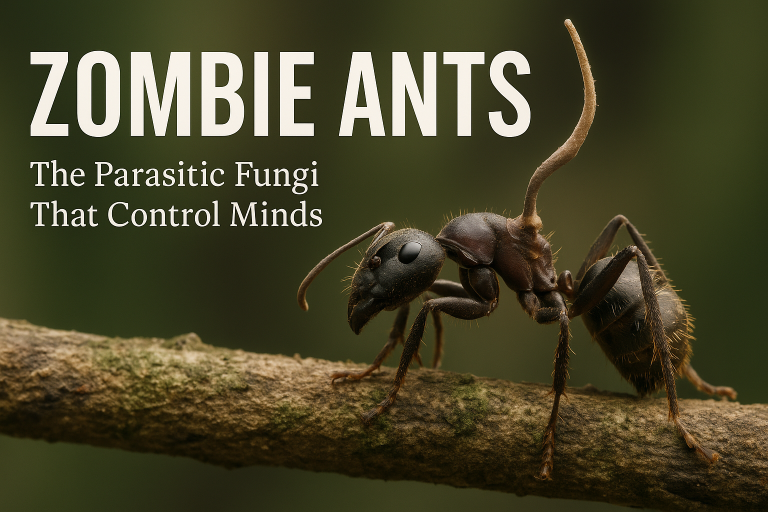
Deep in tropical rainforests, a silent horror unfolds. An ant, once healthy and active, suddenly abandons its colony, climbs a plant, and clamps its...
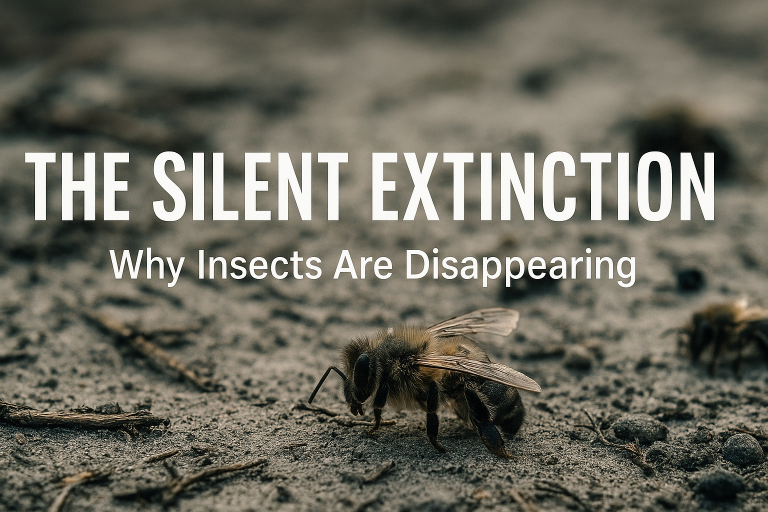
Recent studies reveal a 45% decline in global insect populations over the past four decades. Some regions, like Germany’s nature reserves, have lost 75% of flying insects since...
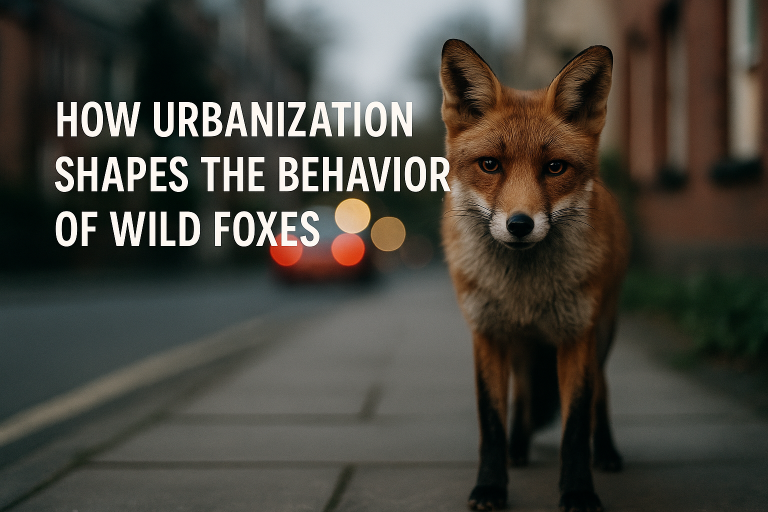
Foxes are among the most adaptable animals on Earth, thriving in forests, grasslands, and increasingly, in cities. As urbanization expands, red foxes (Vulpes vulpes)...
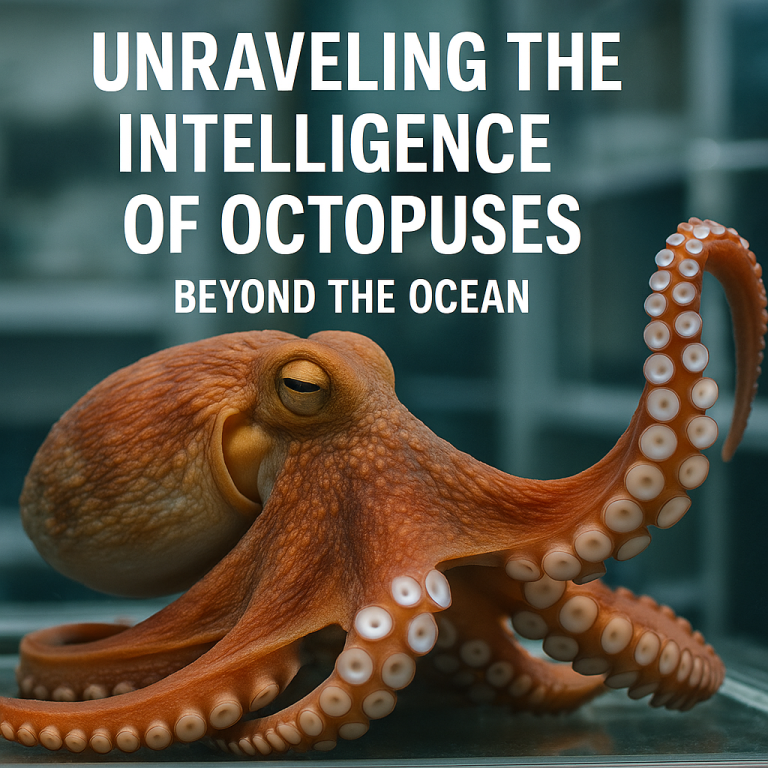
Unlike humans and other vertebrates, octopuses have a decentralized nervous system. About two-thirds of their neurons are located in their arms, meaning each arm can...
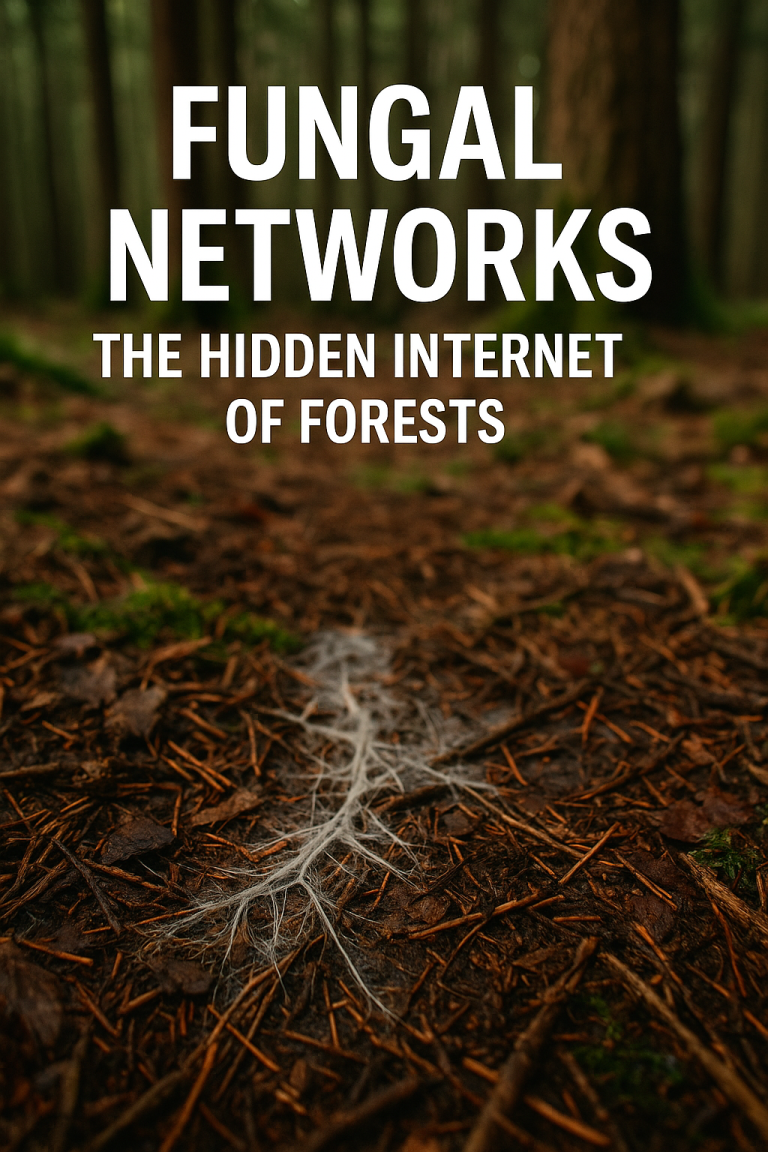
Beneath every forest lies a vast, interconnected web of fungal threads—a biological superhighway that scientists call the “Wood Wide Web.” This underground network, formed by mycorrhizal...
Beneath the smog and steel of cities, a silent evolutionary revolution is unfolding. Plants in urban areas are mutating at unprecedented speeds, developing radical adaptations...
While most plants rely on sunlight and soil, a strange group of botanical rebels has evolved to steal nutrients from other organisms—living as thieves, killers,...