
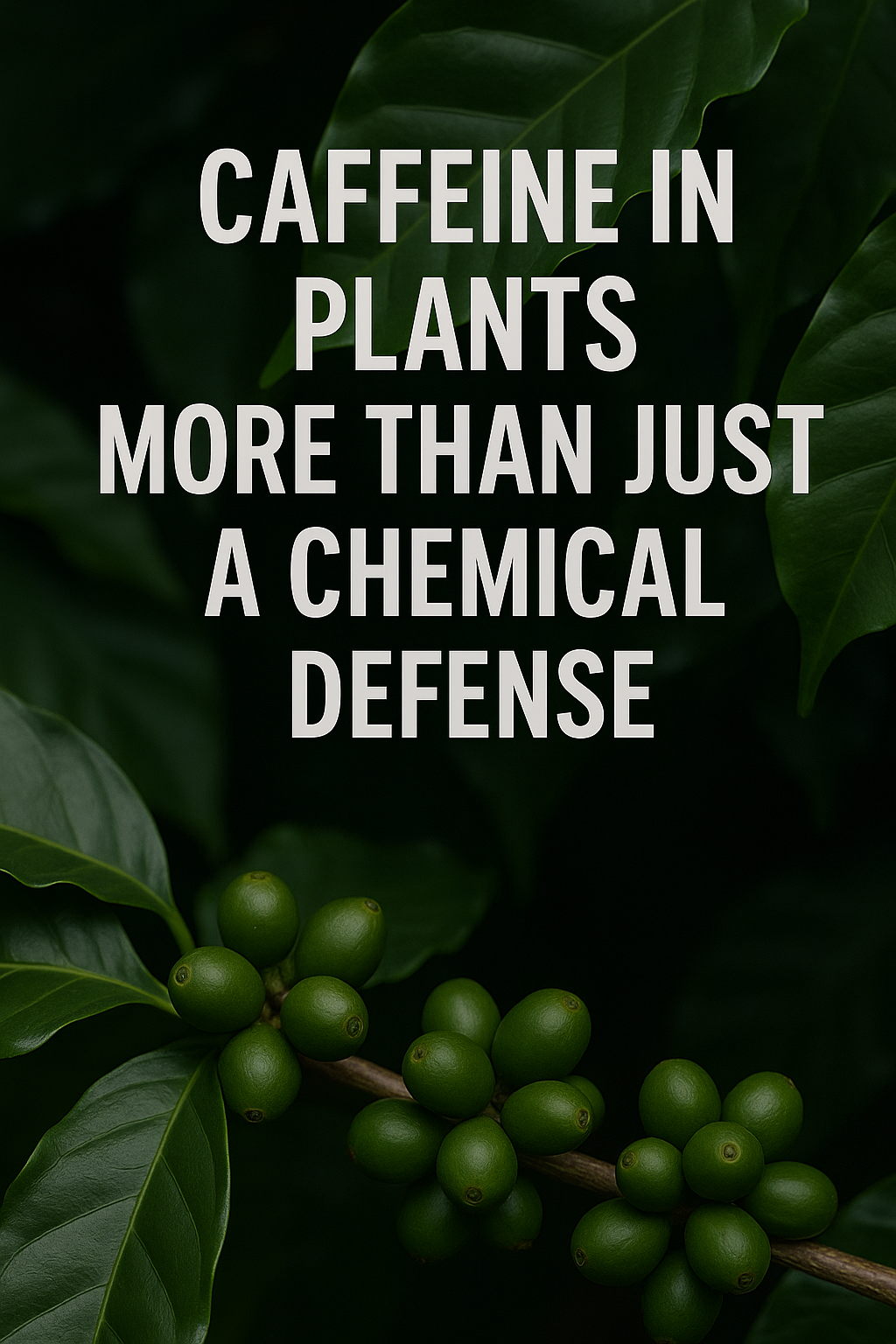

Caffeine isn’t just a morning pick-me-up for humans—it’s a powerful survival tool for plants. Found in coffee, tea, cacao, and even citrus flowers, caffeine plays a surprisingly complex role in plant biology. While scientists once believed it was purely a natural pesticide, new research reveals caffeine influences pollination, soil chemistry, and even interplant communication.
This article explores the hidden world of caffeine in plants, from its evolutionary benefits to its unexpected ecological impacts—and what this means for agriculture, medicine, and climate resilience.
Why Do Plants Produce Caffeine?
1. Natural Pest Control
-
Toxic to insects & fungi – Caffeine disrupts nervous systems in herbivores like caterpillars and beetles.
-
Selective toxicity – Harmful to pests but spares pollinators like bees (in low doses).
2. A Clever Pollination Strategy
-
Coffee & citrus flowers use caffeine in nectar to enhance bee memory.
-
Studies show bees 3x more likely to return to caffeinated flowers.
3. Suppressing Competing Plants (Allelopathy)
-
Caffeine leaches into soil, inhibiting germination of nearby seeds.
-
Gives caffeine-producing plants (like coffee trees) a competitive edge.
4. Sun Protection & Antioxidant Benefits
-
Acts as a natural sunscreen, protecting leaves from UV damage.
-
Helps plants detoxify reactive oxygen during stress (drought, heat).
Key Caffeine-Producing Plants & Their Adaptations
| Plant | Caffeine Concentration | Ecological Role |
|---|---|---|
| Coffee (Coffea spp.) | 1-2% in beans | Lures pollinators, deters pests |
| Tea (Camellia sinensis) | 1-4% in leaves | Prevents fungal infections |
| Cacao (Theobroma cacao) | 0.1-0.7% in seeds | Protects seeds from insects |
| Citrus Flowers (Citrus spp.) | Trace amounts | Enhances bee pollination |
| Guayusa (Ilex guayusa) | High in leaves | Amazonian adaptogen |
Surprising Scientific Discoveries
1. Caffeine as a “Reward” for Pollinators
-
University of Sussex research (2015) found caffeine makes bees more efficient.
-
Bees exposed to caffeine navigate better and communicate food locations more accurately.
2. Caffeine in Soil Changes Microbial Life
-
Coffee pulp (waste) alters soil bacteria, reducing pathogens but also beneficial fungi.
-
Impacts sustainable farming practices—could caffeine-rich compost harm crops?
3. Human Cultivation Changed Caffeine Levels
-
Wild coffee species have 10x less caffeine than farmed varieties.
-
Suggests humans unintentionally bred plants for higher caffeine as a pest deterrent.
Beyond Coffee: Unusual Sources of Plant Caffeine
1. Yaupon Holly (Ilex vomitoria)
-
Only caffeinated plant native to North America.
-
Used by Native Americans in ceremonial “black drink.”
2. Guarana (Paullinia cupana)
-
Amazonian vine with 2x more caffeine than coffee beans.
-
Seeds evolved bright red casings to attract birds for dispersal.
3. Kola Nut (Cola spp.)
-
Original source of caffeine in Coca-Cola.
-
Chewed in West Africa for stimulation and appetite suppression.
Future Applications: From Farms to Pharma
1. Natural Pesticide Alternatives
-
Caffeine-based sprays could replace synthetic neonicotinoids (linked to bee decline).
-
Challenge: Must balance pest control with pollinator safety.
2. Medical & Energy Breakthroughs
-
Cancer research: Caffeine may enhance chemo drug uptake in cells.
-
Biofuel potential: Genetically engineered microbes could produce caffeine from waste.
3. Climate-Resilient Crops
-
Introducing caffeine genes into drought-sensitive plants to boost stress tolerance.
-
Could help coffee farmers adapt to rising temperatures.
Myths vs. Facts About Plant Caffeine
❌ Myth: “Decaf plants don’t produce caffeine.”
✅ Fact: All coffee/tea plants make caffeine—decaf is chemically removed.
❌ Myth: “Caffeine exists to give humans energy.”
✅ Fact: It evolved for plant survival, human use is coincidental.
❌ Myth: “More caffeine = better pest resistance.”
✅ Fact: Excess caffeine can poison the plant itself (auto-toxicity).
How to Grow Your Own Caffeine Plants
Best Options for Home Gardeners
-
Coffee plant (Coffea arabica) – Thrives indoors with high humidity.
-
Tea plant (Camellia sinensis) – Hardy in USDA zones 7-9.
-
Yaupon holly – Drought-tolerant, makes a caffeinated tea.
Pro Tips
✔ Shade-grown coffee produces more complex caffeine chemistry.
✔ Prune tea plants to boost leaf production (source of caffeine).
✔ Avoid overwatering—caffeine plants hate soggy roots.
Conclusion: The Hidden Intelligence of Caffeine
Far from being just a human stimulant, caffeine is a multifunctional tool in the plant kingdom—shaping ecosystems, manipulating pollinators, and defending against threats. As research uncovers more secrets, we may see caffeine play critical roles in sustainable agriculture and medicine.
Next time you sip coffee, remember: you’re tasting 200 million years of plant evolutionary strategy in every drop.


Leave a Comment